
09/25/2026
Understanding Engagement through "Work Well-being Values"NTT Social Informatics Laboratories
Understanding Engagement through “Work Well-being Values”
NTT Group conducts an annual engagement survey to understand factors such as employees’ relationship with the company and their sense of fulfillment at work. NTT Social Informatics Laboratories has incorporated insights from its well-being research and, together with the department responsible for NTT Group’s overall human resources strategy, is adding a new perspective to the conventional survey of engagement status: what employees value at work and how fulfilled they are with those values. The results show a positive correlation between engagement and fulfillment with “Work Well-being Values.” This suggests an opportunity to evolve engagement surveys from tools for assessing organizational conditions into tools for understanding broader organizational trends in the relationships between what employees value at work and their engagement, and for using those insights to create better workplaces.
Challenge: Understanding engagement more deeply
As NTT Group expands its business domains and global presence, its workforce is becoming increasingly diverse in nationality, work location, values, and other respects. Against this backdrop, creating workplaces where each employee can fully demonstrate their abilities and work with energy and fulfillment is increasingly important. The Medium-Term Management Strategy announced in May 2023 [1] identifies "Improving the Employee Experience (EX)" as one of its key pillars. To assess progress on this initiative, NTT Group conducts an engagement survey covering approximately 180,000 employees in Japan.
NTT Group's engagement survey has continuously assessed employees' relationship with the company and their motivation toward work, capturing both ease of working and their sense of fulfillment. As the workforce becomes more diverse, however, understanding engagement more deeply requires looking beyond workplace environment and systems to examine how engagement relates to what employees value in their work.
Perspective: "Work Well-being Values" as a new lens
NTT Group's engagement survey therefore introduced a new perspective alongside conventional questions about the workplace environment: what employees value at work and how fully those values are being realized. By analyzing how these factors relate to engagement across organizations and workplaces, the survey aims to provide a deeper understanding of the factors underlying engagement (Figure 1).
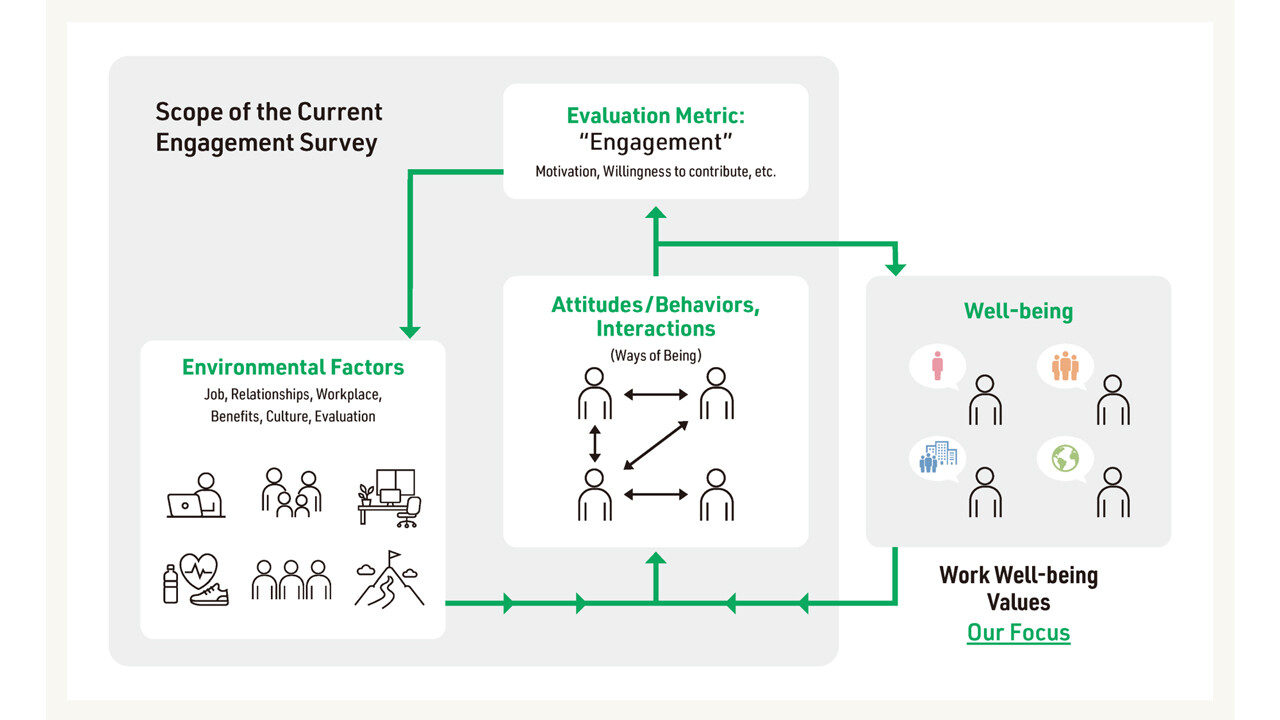
Figure 1. Engagement survey using "Work Well-being Values"
Focusing on "Work Well-being Values" makes it possible to analyze engagement from a perspective that has previously been difficult to capture: what employees value in their work.
This new perspective draws on the well-being research conducted by NTT Social Informatics Laboratories. The laboratories have developed "Cards for Collective Well-being" [2] as a tool for deepening understanding of oneself and others in relation to well-being. Each card presents a factor considered important for realizing well-being, organized into four categories (Figure 2): "I" (oneself), "WE" (relationships with people close to us), "SOCIETY" (connections with society), and "UNIVERSE" (connections with something larger than ourselves).
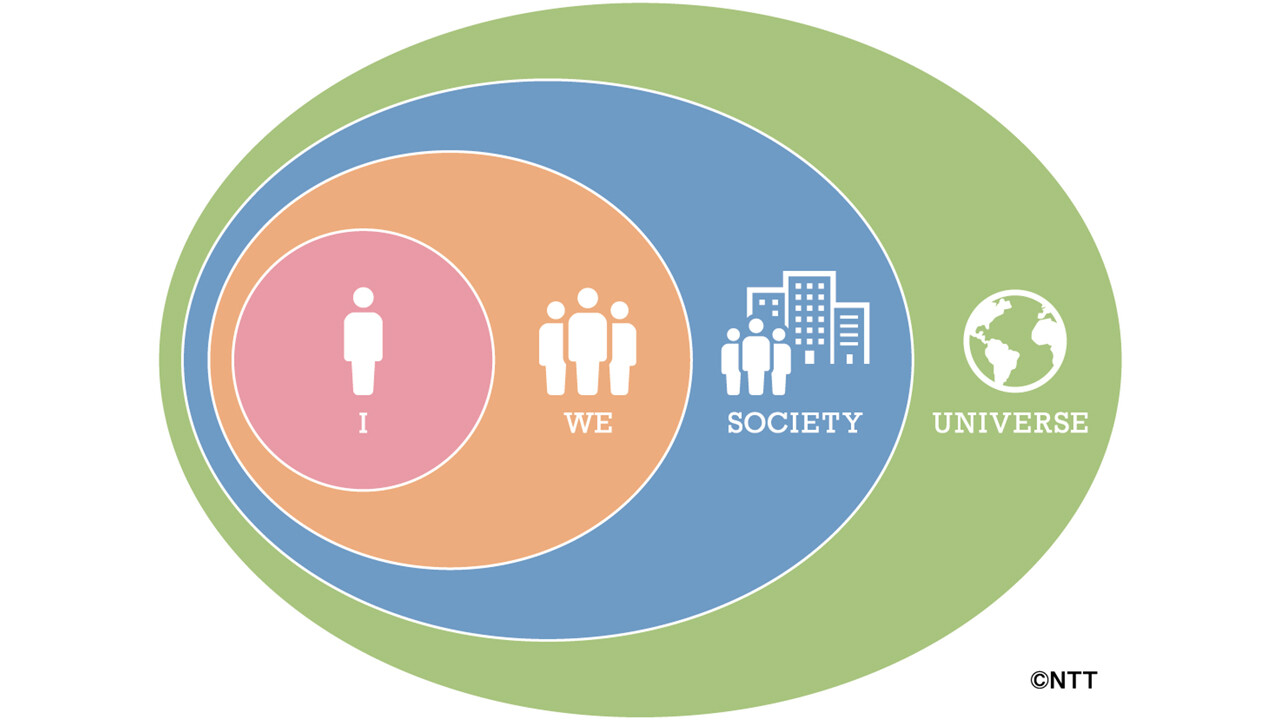
Figure 2. Four categories of well-being factors
The well-being factors shown on the "Cards for Collective Well-being" are classified into four categories: I / WE / SOCIETY / UNIVERSE.
Based on these research findings, factors related to workplace well-being were selected and adapted to the work context to create the "Work Well-being Values List" (Figure 3). It consists of 24 values related to well-being at work, including "Working with ease," "Feeling accomplished," "Appreciating others and being appreciated," "Trusting others and being trusted," "Contributing to society," and "Collaborating together."
In the survey, respondents select one value from the list that they consider important or would like to prioritize in their work and then rate on a five-point scale how well that value is being fulfilled in their work. This makes it possible to analyze the relationship between well-being at work and engagement from two perspectives: what employees value at work and the extent to which that value is fulfilled.
Responses concerning values are not intended for individual evaluation or personnel decisions. They are used as clues for understanding trends within organizations and workplaces and for creating better workplaces.
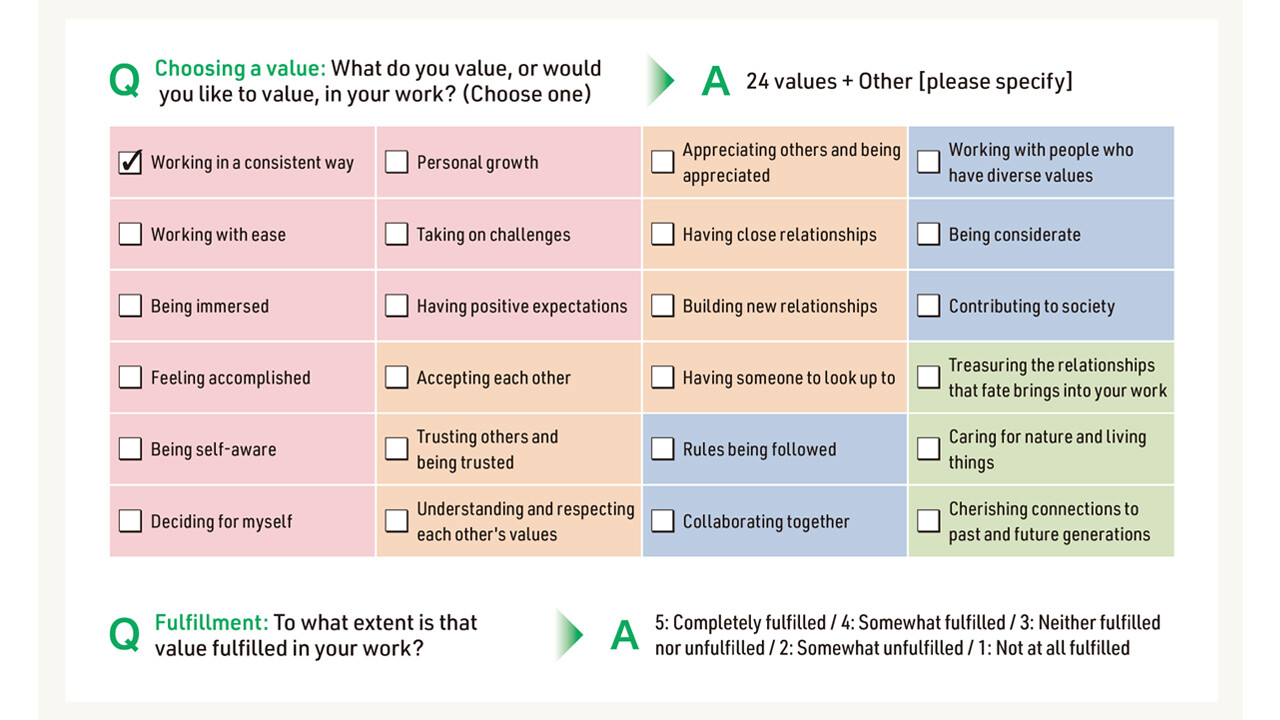
Figure 3. Survey questions and response options on work values
Questions based on the "Work Well-being Values List." The response options consist of 24 values plus "Other (please specify)". Respondents select one value they consider important or would like to prioritize in their work and rate its fulfillment on a five-point scale.Finding: Correlation between fulfillment with work values and engagement
At NTT, engagement is assessed from four perspectives: "willingness to contribute voluntarily," "willingness to recommend the workplace," "pride in working for the company," and "sense of accomplishment gained from work." Each is rated on a five-point scale (1-5), and the average of the four items is used as an engagement indicator. Analysis of the relationship between this engagement score and fulfillment with "Work Well-being Values" confirmed a clear positive correlation (Figure 4). In other words, employees with higher engagement tended to feel that the values they consider important at work were being fulfilled in their jobs, while employees with lower engagement tended to report lower fulfillment of those values.
These results show more than simply an association between engagement and fulfillment with "Work Well-being Values." By analyzing what employees value at work together with how fulfilled they are with those values, it may be possible to understand characteristics of organizations and workplaces that are difficult to see from engagement levels alone.
Although a causal relationship between the two has not been established, examining how engagement relates to what employees value at work can provide important clues for understanding it more deeply and identifying ways to create better workplaces.
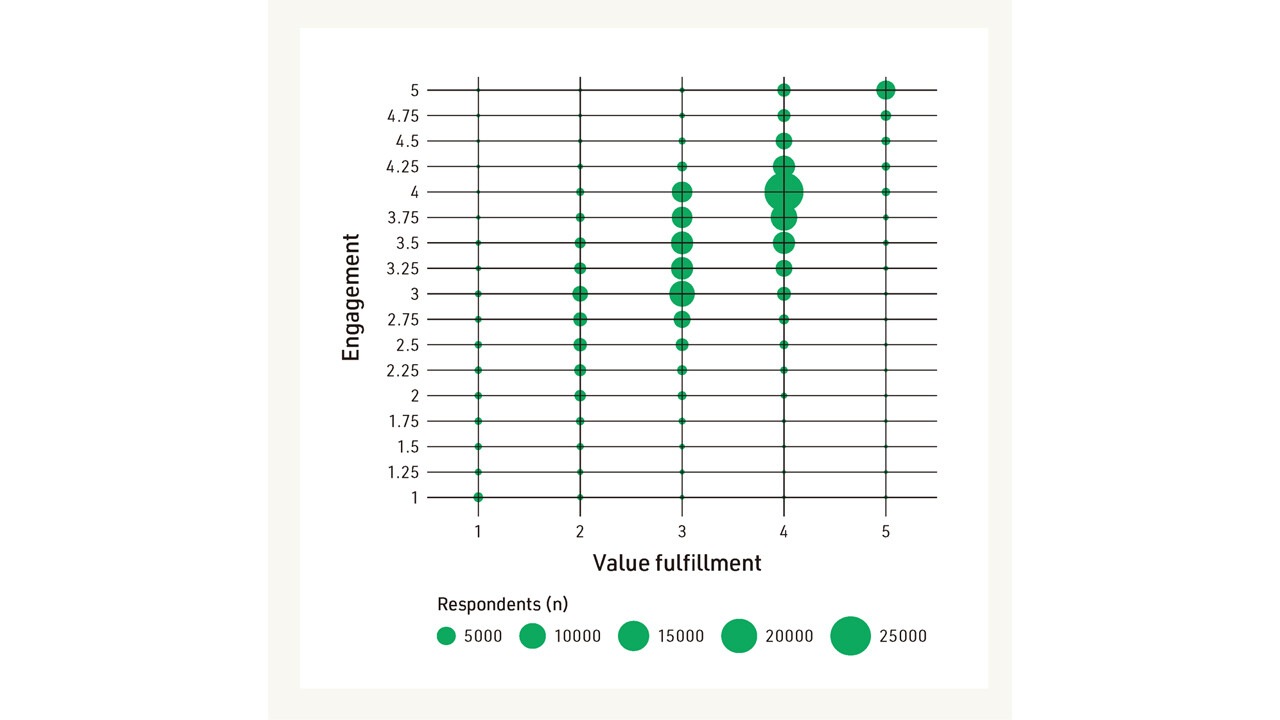
Figure 4. Relationship between engagement and value fulfillment
Relationship between value fulfillment (1-5) and engagement scores. A positive correlation was confirmed: employees with higher engagement also tended to have higher fulfillment with their value (correlation coefficient: 0.64).Next steps: From surveys to workplace improvement
Efforts to improve engagement have traditionally focused mainly on improving the workplace environment, including work systems and management practices. By adding the perspective of each employee's "Work Well-being Values," we believe it will be possible not only to assess the current state of engagement, but also to understand the factors underlying it and translate those insights into more concrete workplace improvements.
Going forward, NTT Social Informatics Laboratories will use the "Work Well-being Values List" to identify, by department, the values employees consider important and the extent to which those values are fulfilled, and will use these insights to design initiatives tailored to the characteristics of each workplace. We will also examine across NTT Group companies how such initiatives affect satisfaction with values and engagement and apply the resulting insights to future workplace improvement.
In this way, the approach moves from "assessing the current state" to "understanding the background" and then to "improving the workplace." By using engagement surveys not merely to assess employee conditions, but also to understand how engagement relates to what employees value at work and to identify opportunities for workplace improvement, we aim to contribute to more advanced human capital management.