Strategy formulation and promotion of technological assets expected to be utilized across industries
NTT Technology Innovation Center promotes the strategy formulation and social implementation of technological assets that can be utilized across industries. With core technologies in the wireless, AI, remote GPU (Graphics Processing Unit), distributed data center, and space domains, we are working on the search for new use cases, technology proof-of-concept (PoC), and business proposals by combining laboratory technologies and commercial technologies. Starting with the mobility field in particular, we are expanding to a wide range of industries, including automobiles, railways, and agriculture, and promoting value creation such as the realization of an autonomous driving society by stabilizing communications. By discerning new technologies and verifying hypotheses, we will contribute to the commercialization of the NTT Group's technological assets and solving social issues.
Social implementation of wireless communications stabilization technology
We are promoting social implementation of communications stabilization technology that will support next-generation industries such as automated driving, remote control, and smart agriculture. By utilizing NTT technology to achieve high-capacity, low-latency, and highly reliable wireless communications even in mountainous areas and mobile environments through coordinated control of multiple lines based on wireless quality prediction, we will contribute to improving social infrastructure and solving regional issues.
Cradio
This technology realizes wireless base station location design and wireless quality prediction based on its learning. By linking the three technologies of understanding, predicting, and controlling the wireless communications environment, it enables various wireless networks to follow or adapt in advance to changes in the environment and communications conditions.
Cooperative Infrastructure Platform
This technology is linked to quality prediction and realizes multipath communication control using multiple lines. It enables stable communications with low latency and high reliability even in wireless network environments with large quality fluctuations.
The combination of these two NTT technologies ensures high connectivity and stability even in wireless sections connected ahead of IOWN's APN (All-Photonics Network), and realizes "continuous wireless connectivity" even in situations where the radio wave environment is constantly changing, such as moving vehicles and robots.
Example of wireless communication stabilization technology for autonomous driving
In recent years, there has been a serious shortage of local public transportation operators, and efforts to implement Level 4 * autonomous driving in society are accelerating nationwide as a countermeasure. On the other hand, in the communication environment required for autonomous driving, radio quality is temporarily unstable due to switching of base stations and interference between areas, and there are emerging risks that affect driving safety, such as disconnection of remote monitoring images.
To address these risks, we are working on social implementation of communication stabilization technology for autonomous driving, which combines radio quality prediction technology using “Cradio” and multipath communication control technology using“Cooperative Infrastructure Platform”, as well as “data pipelines” that integrate information such as camera images and sensor data and link with remote monitoring systems.
This initiative will create a highly reliable communication environment that suppresses the risk of disconnection of remote monitoring images by configuring multipath connections between autonomous vehicles and remote monitoring systems, anticipating changes in radio quality, and dynamically controlling multipath communications. In addition, by utilizing data pipelines, multiple data such as camera images collected by onboard devices, driving data, detection information from onboard sensors, and AI image analysis results can be linked to remote monitoring systems in real time.
*“Autonomous driving level 4” is an autonomous driving level defined by the American Society of Automotive Engineers in which an autonomous driving system performs all driving tasks under specific conditions.
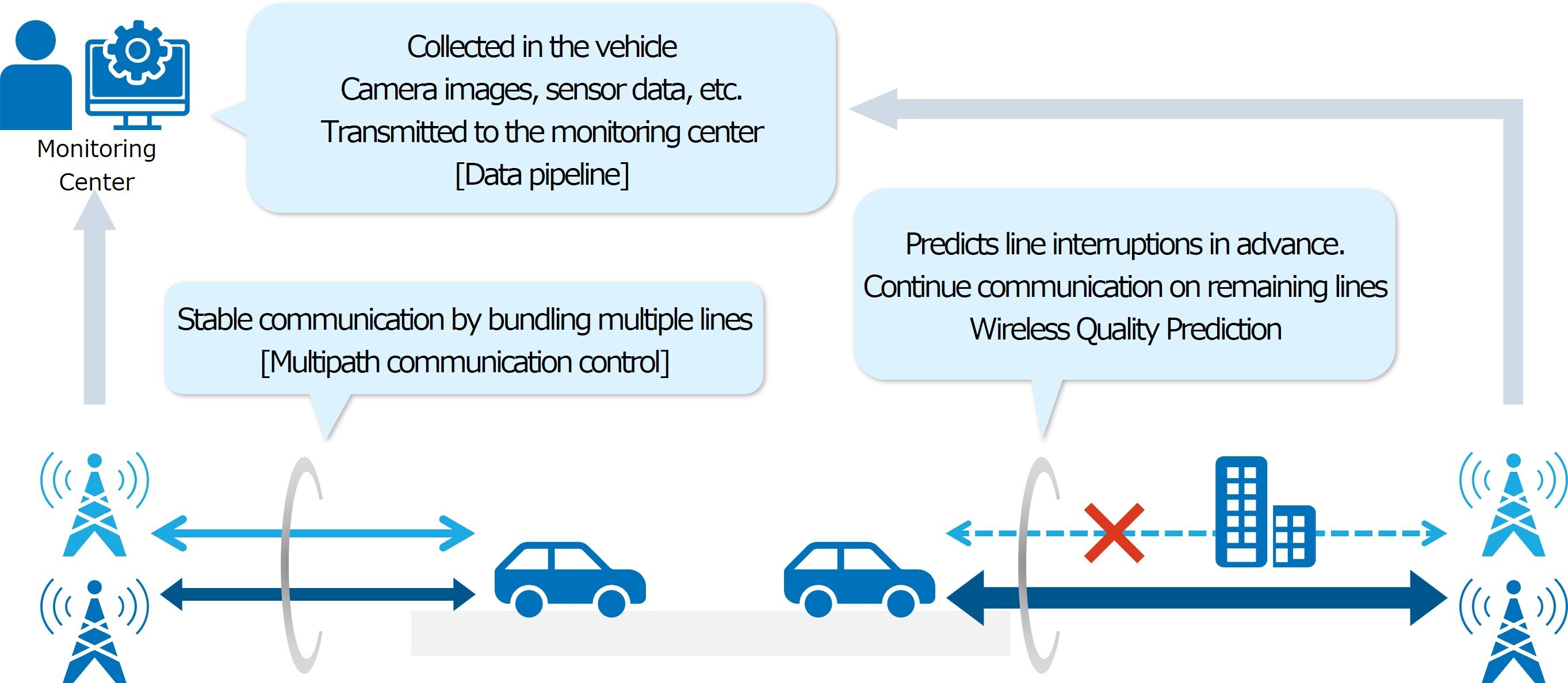
Figure 1. Example of wireless communication stabilization technology for autonomous driving
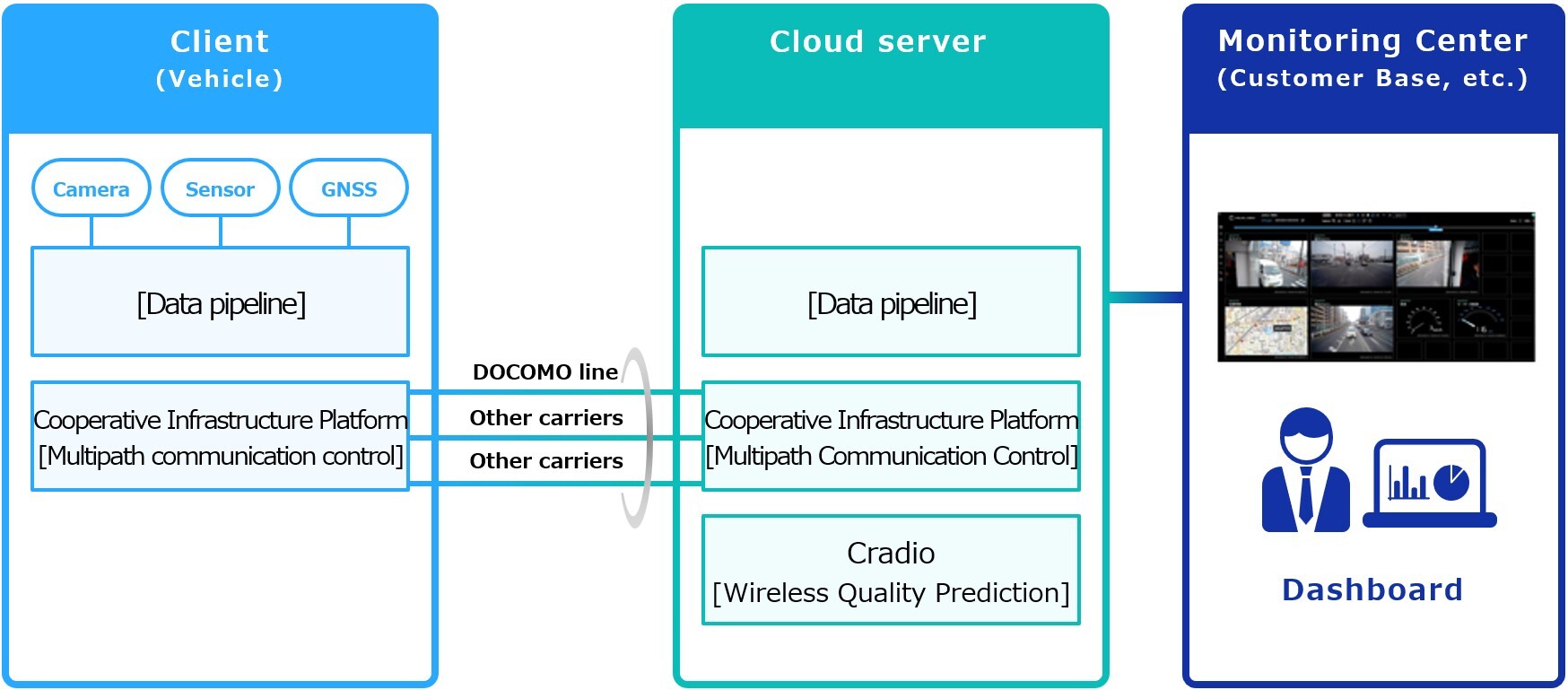
Figure 2. Solution configuration image
- GNSS:Global Navigation Satellite Systems
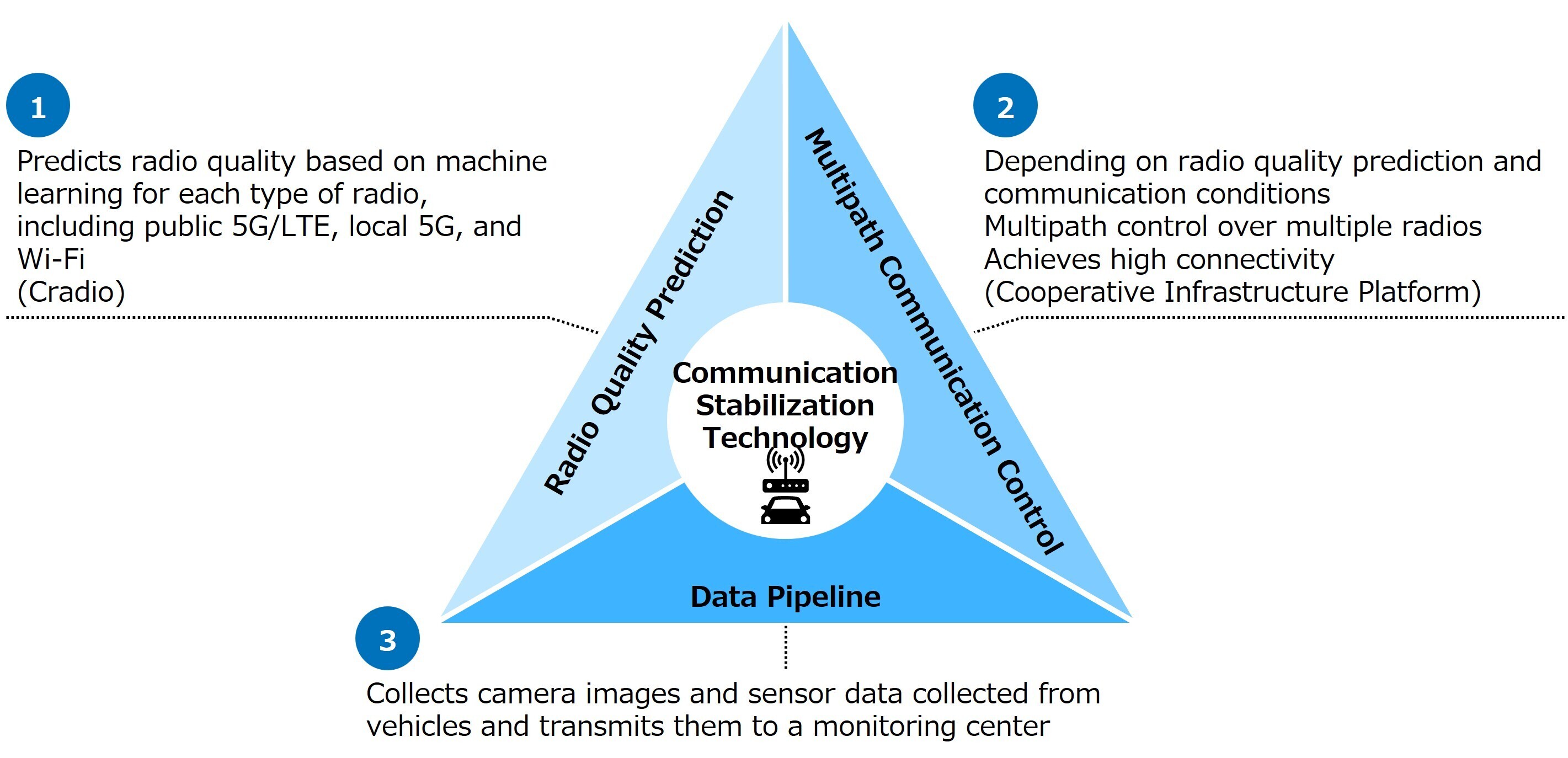
Figure 3. Components of Communication Stabilization Technology
Going forward, we will not only promote the social implementation of autonomous driving, but will also work on its deployment to various use cases that require communication while moving, such as construction equipment and robots. By realizing remote control and automation at construction sites, factories, and warehouses, we will contribute to solving social issues such as labor shortages and ensuring work safety.
At the same time, in addition to the wireless communication stabilization technology introduced here, we are also working on the use of natural dialogue technology that combines these technologies with a large-scale language model (LLM).
【 Related Press Release 】
(October 8, 2025) Launch of "Communication Stabilization Solution" for Autonomous Driving
~Advanced technologies packaged to support remote monitoring of Level 4 autonomous driving~
https://group.ntt/en/newsrelease/2025/10/08/251008a.html
(May 25, 2026) NTT, Kubota and NTT DOCOMO Demonstrate Communication Technologies Enabling Remote Operation of Robotic Agricultural Machinery in Mountainous Areas
https://group.ntt/en/newsrelease/2026/05/25/260525b.html
Remote GPU: High-Speed Access to Geographically Distributed GPU Resources
The rapid adoption of AI technologies, particularly Generative AI, is driving unprecedented demand for GPU-based computing resources. At the same time, the growing power consumption of data centers has become a major challenge. As a result, there is increasing interest in deploying GPU resources in suburban or regional green data centers where renewable energy is more readily available, while allowing users in urban areas to access those resources remotely.
However, when GPU servers and storage systems containing training datasets are geographically separated, network latency can reduce data transfer performance. This increases the time required to process large-scale datasets during AI training.
To address this challenge, NTT is developing technologies that enable fast access to remote GPU resources by combining the IOWN All-Photonics Network (APN), which provides high-capacity and low-latency communication, with an RDMA Accelerator designed for long-distance data transfer (Figure 4).
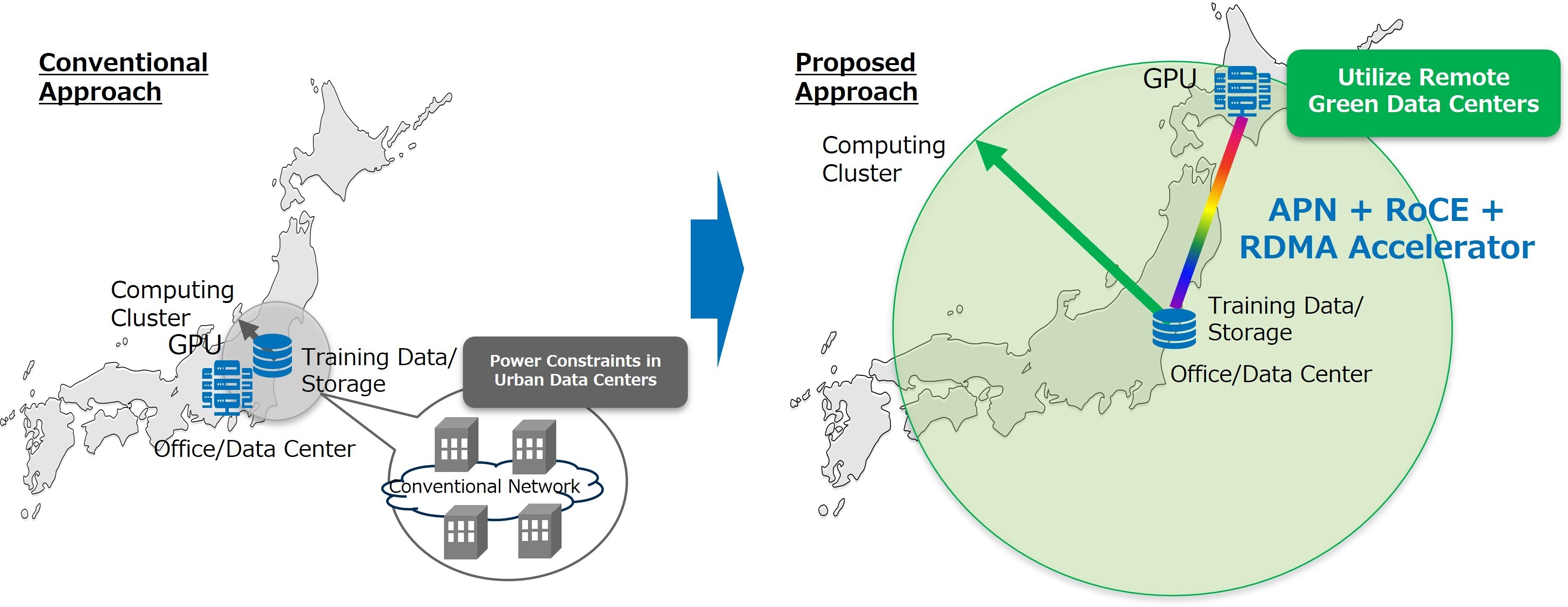
Figure 4. Overview of Remote GPU Utilization
RDMA (Remote Direct Memory Access) is a communication technology that enables direct data transfers between the memories of different servers with minimal CPU and operating-system intervention. Our approach uses RoCE (RDMA over Converged Ethernet), which enables RDMA communications over Ethernet networks. In long-distance communications, transfer performance is often degraded because a sender must wait for acknowledgements from the receiver before transmitting additional data.
The RDMA Accelerator improves this situation by generating proxy acknowledgements (ACKs) near the sender, thereby reducing the waiting time for actual acknowledgements and allowing subsequent data transfers to start immediately. This approach can be deployed transparently without requiring modifications to existing servers or applications. [Reference 1]
In our experiments, GPU servers and storage systems were separated by up to approximately 1,000 km in a testbed emulating geographically separated data centers. The results demonstrated that combining APN, RoCE, and the RDMA Accelerator significantly reduced AI training data loading time compared with conventional approaches (Figure 5).
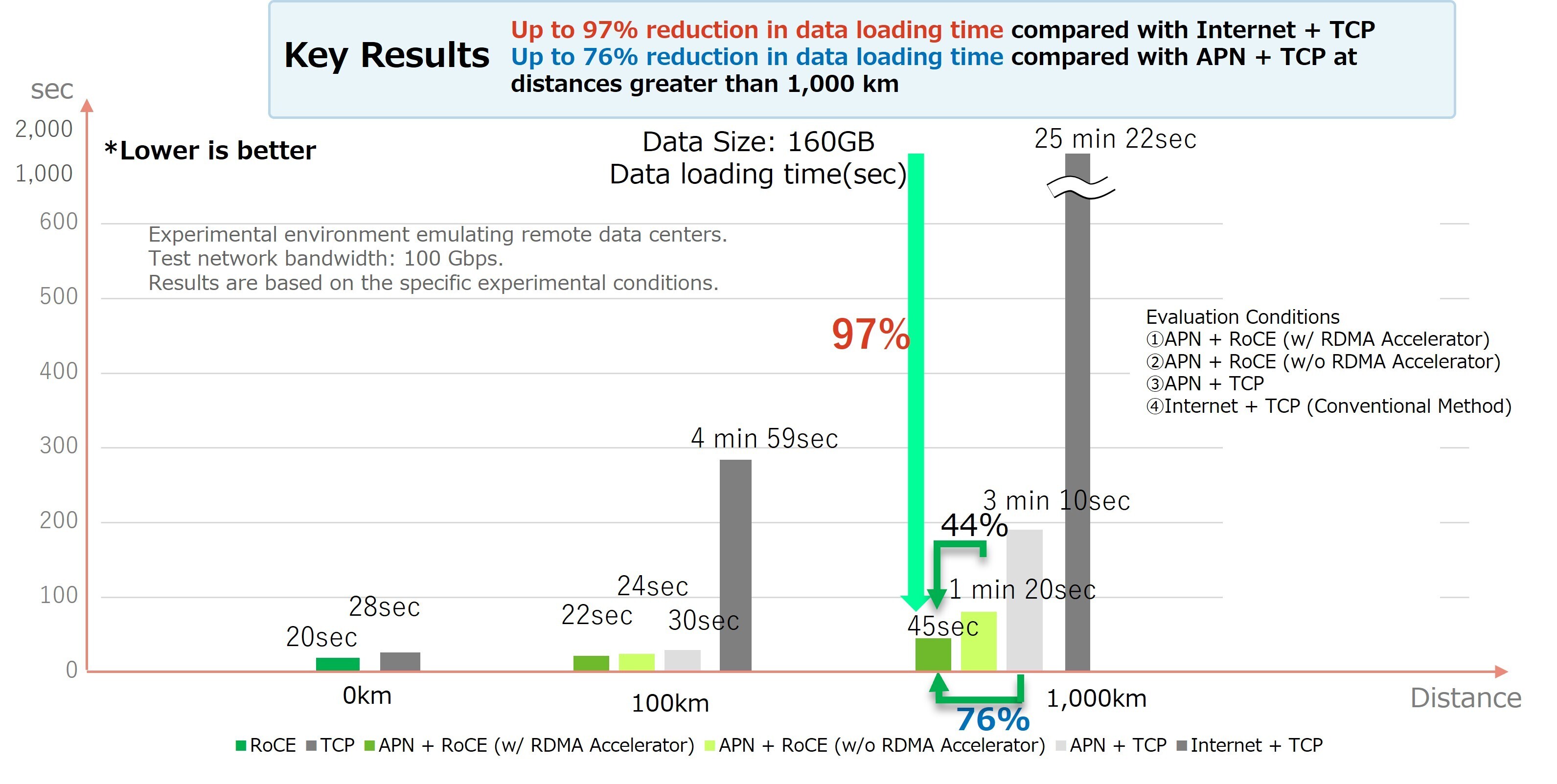
Figure 5. Comparison of Data Loading Time During AI Training
Furthermore, in a joint demonstration with NetApp, we confirmed that AI training performance degraded by less than 1% even when GPU servers and storage systems were approximately 3,000 km apart. These results show that GPU resources located in renewable-energy-rich regions can be used without being constrained by geographical distance. [References 2 and 3]
Going forward, we aim to validate this technology in real-world environments and extend it to distributed AI platforms and wide-area storage networks, enabling high-performance access to geographically distributed GPU resources.
Reference 1: Long-Distance High-Speed RDMA Data Transfer Technology
https://www.rd.ntt/research/NI0068.html
Reference 2: NetApp and NTT Successfully Demonstrate Green Computing with Remote GPUs over IOWN APN
https://www.netapp.com/ja/newsroom/press-releases/news-rel-20260319-838498/
Reference 3: IOWN Global Forum: Green Computing with Remote GPU over APN (tsuzumi-7B)
https://iowngf.org/green-computing-with-remote-gpu-over-apn-tsuzumi-7b/
Glossary
- RDMA (Remote Direct Memory Access): A technology that allows direct data transfers between server memories while minimizing communication-processing overhead.
- RoCE (RDMA over Converged Ethernet): A protocol that enables RDMA communication over Ethernet networks.
- TCP (Transmission Control Protocol): A reliable data communication protocol widely used across the Internet.
- Transparent Deployment: The ability to introduce a technology without major modifications to existing servers or applications.
Distributed Data Center Management: Unified Control of Power and Computing Resources
The expansion of ICT services, including AI applications, is rapidly increasing the demand for both computing resources and electrical power in data centers. At the same time, renewable energy generation, electricity prices, and data center operating conditions vary significantly across regions and time periods.
To address these challenges, NTT is turning Distributed Data Center Management into a working system that integrates information about ICT resources -- such as servers and networks distributed across multiple data centers -- together with power-related information. This unified view lets the system place workloads where they run most efficiently, according to service demand and grid conditions (Figure 6).
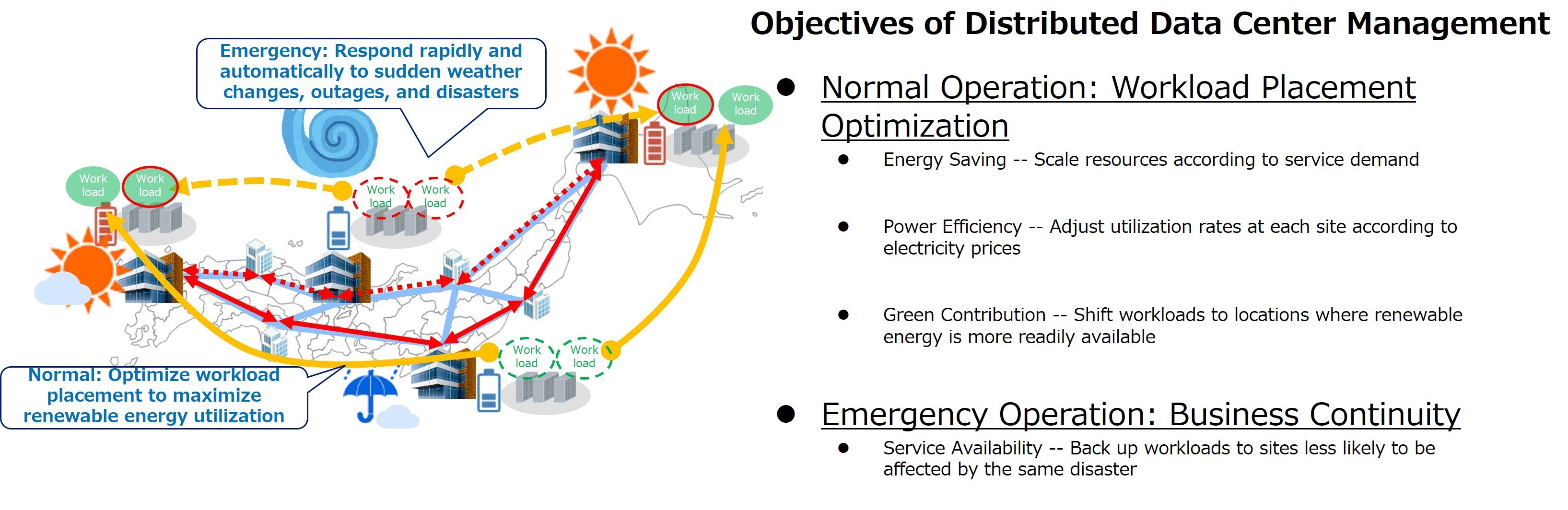
Figure 6. Distributed Data Center Management Based on Power Conditions
During normal operation, the system dynamically adjusts resources based on service demand, optimizes utilization rates across sites according to electricity prices, and migrates workloads to locations where renewable energy is more readily available. During emergencies, workloads can be shifted to geographically separated sites that are less likely to be affected by the same disaster, thereby improving service continuity. [Reference 4]
A key component of Distributed Data Center Management is the Integrated Catalog. The catalog abstracts and normalizes only the information required for workload placement optimization from the diverse datasets maintained by individual data centers, networks, and power systems. Because the system retrieves only what it needs, resource management stays efficient without aggregating all data into a single repository, even in large-scale distributed environments.
By normalizing information provided by different operators and sites, the Integrated Catalog also enables workload placement and control across multiple operators and geographically distributed facilities (Figure 7).
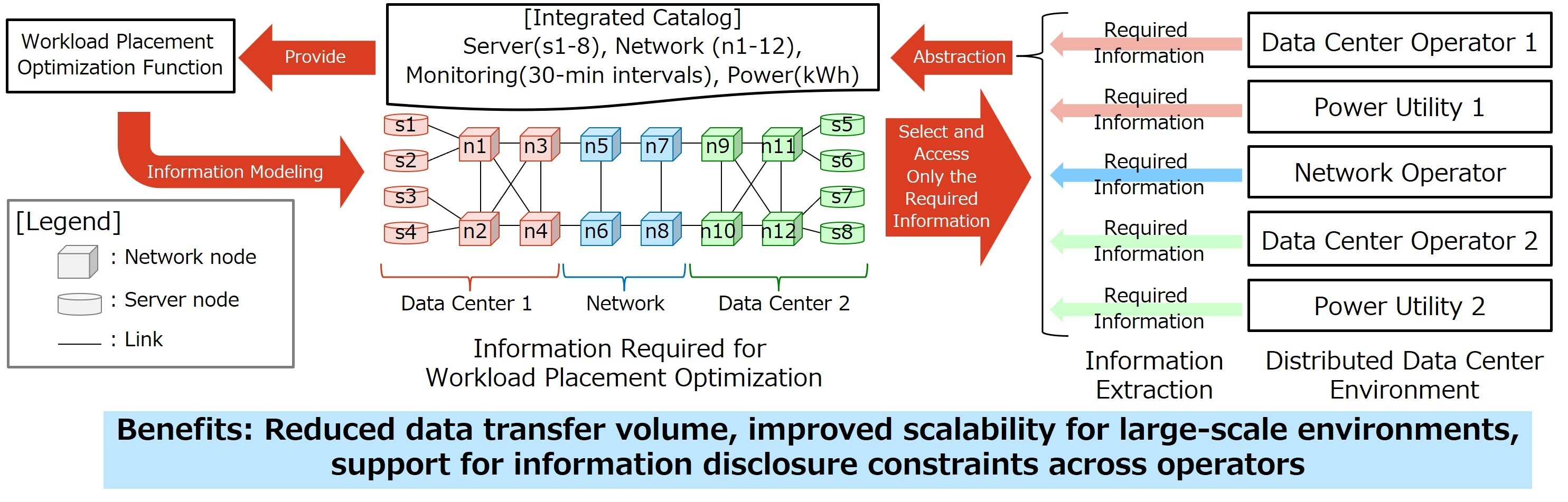
Figure 7. Integration of the Integrated Catalog and Workload Placement Optimization
In demonstrations using the IOWN All-Photonics Network (APN), the system chose, every 30 minutes, which data center should run the workload based on renewable energy generation and power consumption conditions. Furthermore, in an experimental environment connecting data centers in Fukuoka and Osaka, we demonstrated live migration, which moves a running workload to another data center without stopping it, and placement control that dynamically selects where Generative AI inference workloads run. Compared with a conventional uniform distribution approach, in which workloads are spread evenly across all sites, renewable energy utilization improved by up to 31%.
These results demonstrate the feasibility of distributed data center infrastructure that reduces environmental impact through effective use of renewable energy while maintaining service continuity. [Reference 5]
In the future, we plan to extend this approach to large-scale distributed data center environments spanning multiple operators and sites, aiming to establish the core technologies that combine renewable energy utilization with service continuity.
Reference 4: Energy-Aware ICT Resource Control Technology
https://www.rd.ntt/research/NSL0018.html
Reference 5: Successful Demonstration of Optimized Workload Allocation Between Remote Data Centers Using IOWN APN
- Contributing to carbon neutrality through the proactive use of renewable energy -
https://group.ntt/en/newsrelease/2025/06/11/250611a.html
Glossary
- Workload: A processing task executed to deliver a service, such as Generative AI inference or data analysis.
- Workload Placement: Deciding which data center and server will run a workload.
- Live Migration: Moving a workload to another server or site without stopping it.
- Abstraction: The process of extracting and representing only the essential information required for a specific purpose.
- Normalization: The process of converting heterogeneous data into a common format for consistent usage.
- Integrated Catalog: A framework that enables information from multiple systems to be referenced in a unified format.