Extreme weather forecasting technology

High-Accuracy Extreme Weather Forecasting Technology
Tailored to Each Use Case by Combining Observations and Simulations
Current research
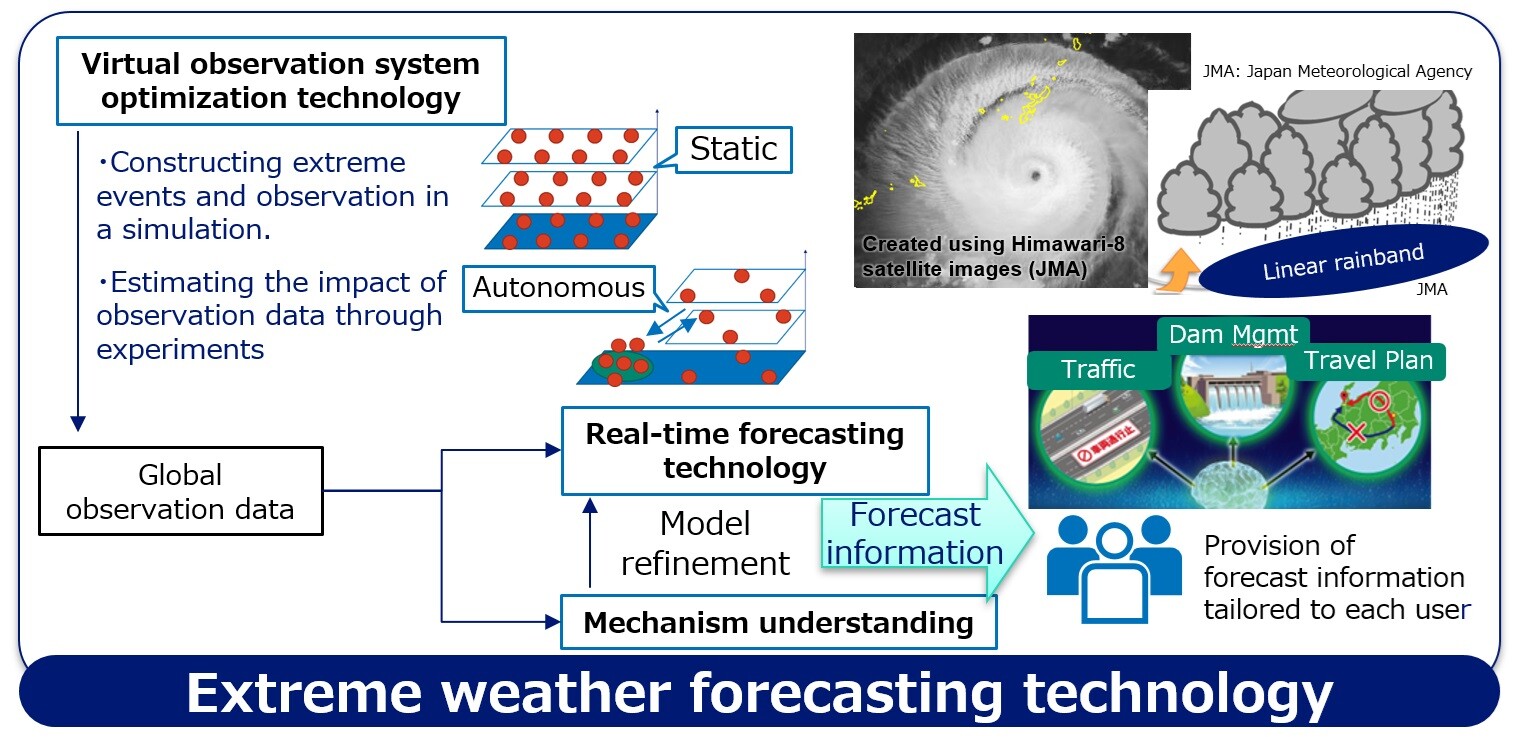
In extreme weather forecasting, we develop high-accuracy, real-time forecasting methods using observational data and numerical simulations, and identify the observational requirements needed to achieve this.
As global warming progresses, concerns are growing that damage from extreme weather will further increase. To support effective countermeasures based on highly accurate forecasts, we need technologies that can efficiently collect and effectively utilize in situ observations over data-sparse ocean areas. This is especially important for Japan, which is surrounded by the ocean.
We aim to address these challenges through the following initiatives. First, we will reproduce the deployment and movement of observational instruments in a virtual environment and quantify the impact of different deployment strategies of different deployment strategies to improve operational efficiency. Second, we will assimilate the collected observations into numerical models to enhance forecast accuracy. Third, we will use these data to clarify mechanisms of atmosphere-ocean interactions and thereby improve forecasting models. Finally, we will train AI models to deliver fast, high-accuracy forecasts while reducing the computational costs of physics-based approaches.
Looking ahead, we will define forecasting requirements for each use case and deliver detailed, need-specific forecast information.
Related videos
-
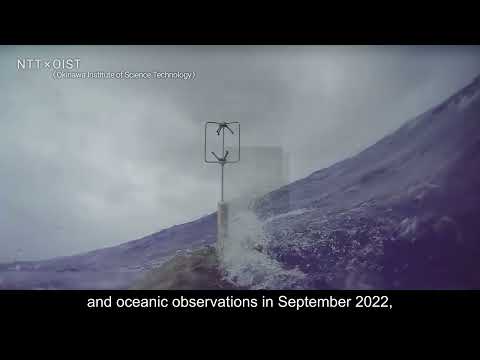
Global Environmental Futures Forecasting Technology Proactively Adapts to Extreme Weather Events
-
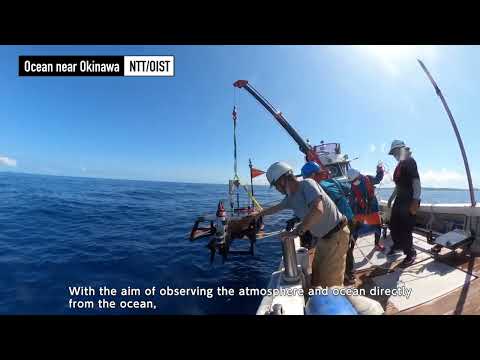
Super-wide-area atmosphere and ocean observation technology


Related content

Press releases